
Admiralty & Maritime Law: Frequently Asked Questions
What You’ll Learn
- Who Sayer Regan & Thayer represents in maritime matters and why the firm’s Newport location matters
- How vessel purchases, Coast Guard documentation, and maritime financing work
- The difference between maritime personal injury law and standard tort claims
- What Jones Act protections mean for injured seamen and vessel owners
- How maritime contracts, charter agreements, and marina documents differ from standard commercial agreements
- Why maritime liens are “secret and invisible” and how to protect yourself
- When towing becomes salvage and what rights vessel owners have
- How marine insurance disputes are handled under maritime law versus state law
Who does Sayer Regan & Thayer represent in maritime matters?
We work with vessel owners, marinas, maritime businesses, and commercial seamen. Most of our clients operate on Narragansett Bay, Buzzards Bay, Rhode Island Sound, and Block Island Sound. But we also work with clients from outside the region who have maritime interests in Rhode Island and southeastern Massachusetts waters.
Why is this firm qualified to handle admiralty and maritime cases?
Our maritime attorneys have practiced in this area for more than 25 years. Attorney Christopher J. McNally is an RYA/MCA Yacht-Master and U.S. Coast Guard Master and a Maritime Professional Instructor. Attorney Richard N. Sayer is a former America’s Cup sailor. They’ve written and lectured on maritime law topics and stay active in the yachting and commercial maritime communities. This isn’t just legal work to them. They know vessels.
Why does it matter that the firm is in Newport?
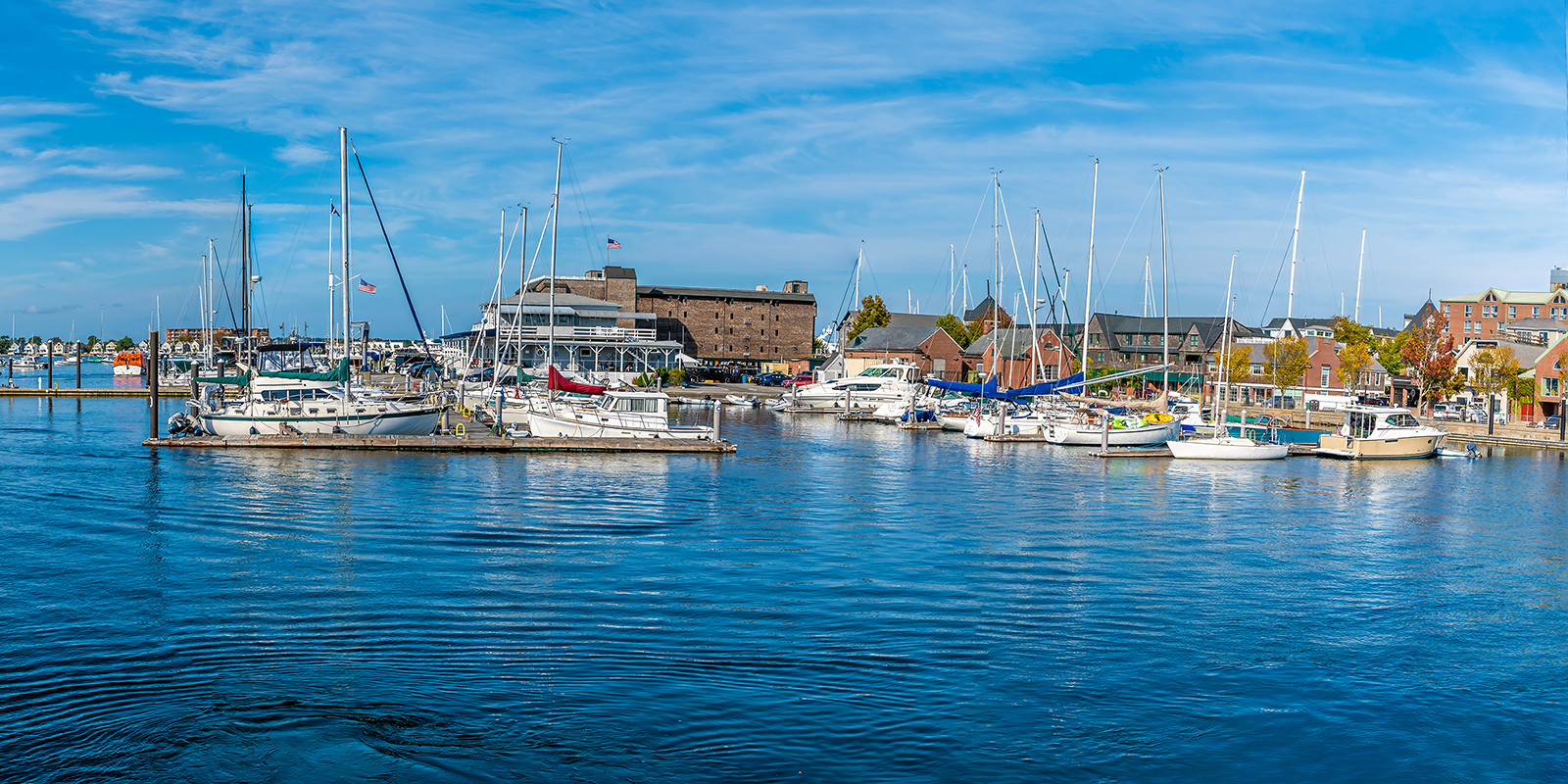
Newport is the sailing capital of the United States and the former home of the America’s Cup. Being here for 25 years means our attorneys know the waterways, the businesses, and the maritime community our clients are part of. That context matters when you’re working through a real maritime dispute.
Do you handle vessel purchases, sales, and financing?
Yes. We work with buyers, sellers, and lenders on yacht and vessel transactions. That includes purchase and sale agreements, maritime lien searches, Coast Guard documentation, and financing structures like preferred ship mortgages. Vessel transactions involve both maritime law and business law, and we handle both.
What are “boat tax issues” and how do you help?
Owning a vessel creates tax questions that don’t come up with other assets. State sales and use tax, property tax on documented vessels, and the tax treatment of vessels used for charter or business are common ones. We advise clients on how to structure vessel ownership and represent them in disputes with state taxing authorities over vessel assessments.
What is vessel documentation and why does it matter?
Vessel documentation is federal registration with the U.S. Coast Guard. It establishes ownership, creates a public record, and is required for vessels used in commercial operations or foreign trade. It also makes it easier to secure certain marine financing. We handle documentation applications and advise on whether it makes sense for a given vessel and its intended use.
What maritime personal injury cases do you handle?
Maritime law has its own set of rules for injuries on navigable waters, aboard vessels, or connected to maritime work. Those rules are different from standard personal injury law. We handle cases from boating accidents, vessel collisions, and incidents at sea. The applicable standards, deadlines, and jurisdictional questions require maritime-specific knowledge.
What are Jones Act and Seaman’s claims?
The Jones Act protects crew members injured while working on a vessel. It lets seamen sue vessel owners and employers for negligence, with the right to a jury trial. On top of that, injured seamen are entitled to “maintenance and cure,” which means the vessel owner pays living expenses and medical costs until the seaman reaches maximum medical recovery, regardless of who was at fault. We advise vessel owners on their obligations and represent maritime employers in disputes over these claims.
How does maritime law treat collisions and allisions?
A collision is when two vessels hit each other. An allision is when a moving vessel strikes something stationary, like a dock or anchored vessel. Both fall under federal maritime law, not state tort law. The legal standards, burden of proof, and damage rules are different from a typical car accident case. We’ve handled these matters on the waters our clients use every day.
What maritime business and contract work do you do?
Maritime contracts operate outside standard state commercial law. We draft, review, and litigate agreements for vessel operations, marine services, charter arrangements, management agreements, marina leases, and dockominium documents. And because these agreements are interpreted under maritime law, the way they’re written matters more than many clients expect.
What should a charter agreement cover?
A charter agreement sets out who’s responsible for what during the charter. That includes the charter type, the operating area, insurance requirements, the security deposit, fuel costs, and what happens if something goes wrong. These agreements are enforced under maritime law, not just general contract law. Provisions that work fine in a typical commercial contract can land differently in admiralty court. We draft and review them for vessel owners and charter operators.
What legal issues come up with marinas and dockominiums?
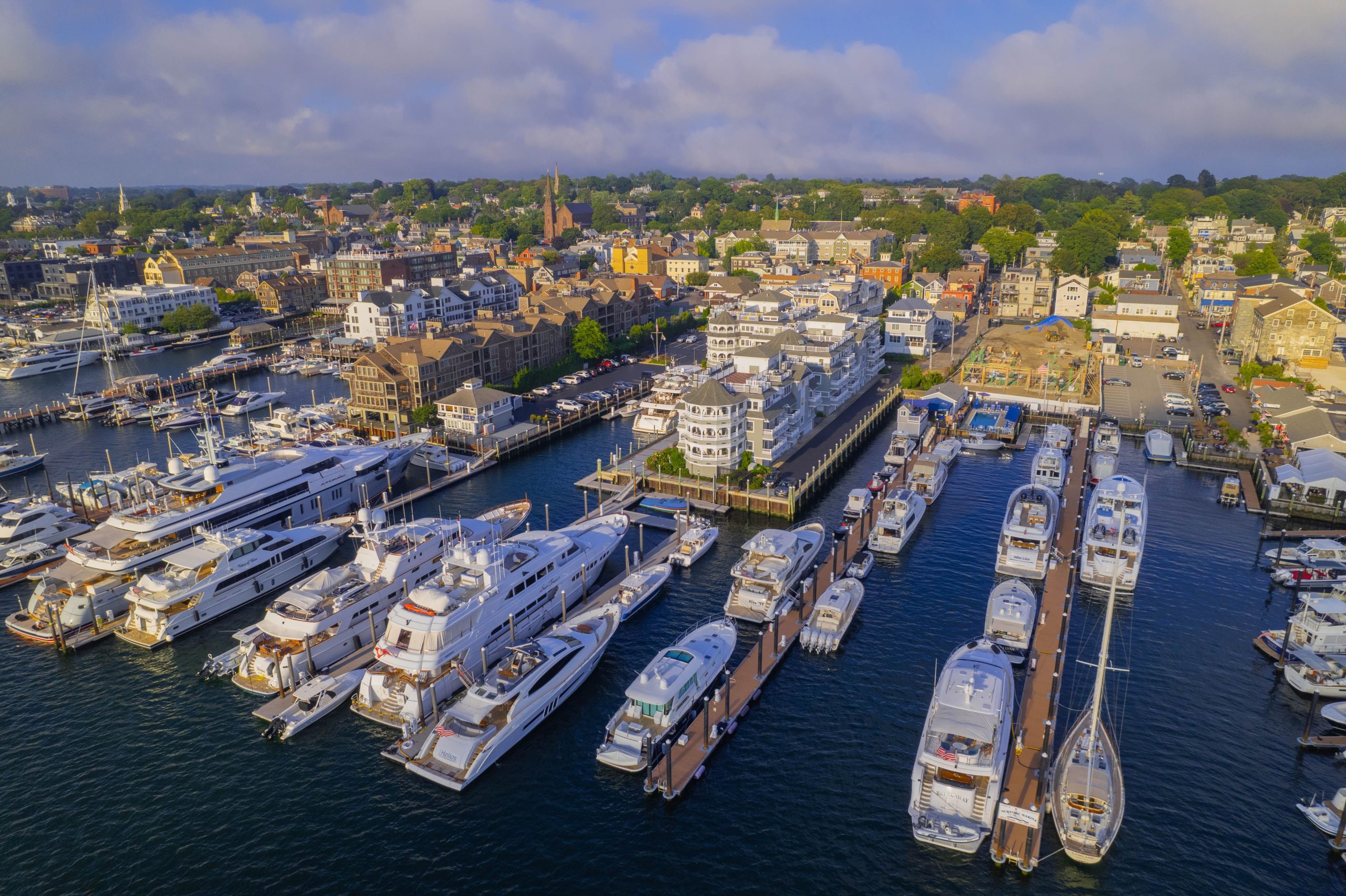
Marinas sit at the intersection of maritime law, real property law, and state regulations. Common issues include dock and slip leases, lien rights for unpaid dockage, liability for vessel damage, and environmental compliance. Dockominiums add a layer of condominium and association law on top of that. We work with marina operators, developers, and slip owners on transactions, disputes, and regulatory questions.
What are maritime liens and preferred ship mortgages?
A maritime lien attaches to a vessel for unpaid obligations like crew wages, fuel, repairs, or salvage. It arises automatically. There’s no public filing required, which means a vessel can carry significant hidden debt. A preferred ship mortgage is a recorded security interest in a vessel, similar to a real estate mortgage. When both exist, the order of priority matters. We represent vessel owners and lenders in matters involving both.
What rights does a vessel owner have when a salvor makes a claim?
Salvage law gives someone who rescues a vessel from genuine maritime peril the right to compensation, sometimes a significant amount, payable from the vessel itself. But not every offer of help is salvage. If the vessel wasn’t in real danger, or if the services were routine towing rather than emergency rescue, the legal picture changes. We advise vessel owners facing salvage claims and represent them in admiralty court when disputes can’t be resolved.
How are marine insurance disputes different from other insurance claims?
Marine insurance policies are interpreted under federal maritime law, not state insurance law. That changes how coverage disputes are analyzed and litigated. We represent vessel owners and maritime businesses when insurers deny claims, dispute valuations, or refuse to pay what they owe.
Does maritime work overlap with your other practice areas?
It does, and that’s useful for clients. Vessel purchases involve business law and finance. Ownership structures raise estate planning questions. Environmental incidents bring in regulatory law. Because Sayer Regan & Thayer handles all of these areas, maritime clients can get help with related issues without going to a separate firm.
To talk with one of our maritime attorneys
Call our Newport office at 401-849-3040 or our Wakefield office at 401-789-1616.